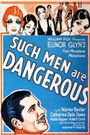


Ernest Vajda, a renowned Hungarian playwright and novelist, embarked on his academic journey at a monastic college in Paps, where he earned a degree in electrochemistry in 1904. He furthered his education by acquiring a Ph.D. in 1908 and, in the same year, penned his first play. Vajda's professional career in Hungary was marked by various editorial roles before he made the transatlantic move to the United States, settling in the upscale neighborhood of Beverly Hills and securing a contract with Paramount Pictures in 1925.
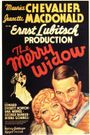
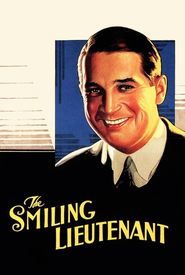
Throughout his tenure at Paramount, Vajda was closely associated with comedies starring the esteemed Adolphe Menjou, and, from 1929, collaborated with the acclaimed director Ernst Lubitsch on several films, notable for their continental sophistication. Their most celebrated collaboration was the timeless musical comedy, The Love Parade, released in 1929.
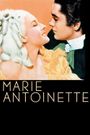
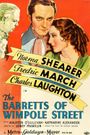
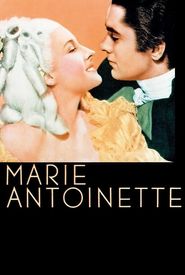
In addition to his work in Hollywood, Vajda continued to write plays for the Broadway stage, including the comedy "Fata Morgana," which premiered twice, in 1924 and 1931. He joined MGM in 1932, where he remained for six years, working in collaboration on lavish period dramas such as The Barretts of Wimpole Street (1934) and Marie Antoinette (1938).
Although Vajda did not author any screenplays after 1941, he made a notable contribution to the John Philip Sousa biopic, Stars and Stripes Forever, released in 1952, by providing original material.