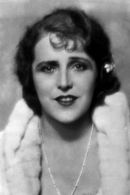
Ruth Roland, a pioneering figure in the early days of cinema, held a distinguished position alongside Pearl White as the queen of movie serials. Born into a family with a strong background in show business, her father managed a San Francisco theater, while her mother was a professional singer. This artistic heritage was evident from a young age, as Ruth made her acting debut at the tender age of 3-1/2 and soon established herself as a professional actress and singer.
Tragedy struck when Ruth was just eight years old, with the divorce of her parents and the subsequent passing of her mother. She was taken in by an aunt in Los Angeles, where she quickly developed her own vaudeville act. It was here that she was discovered by a director from Kalem Studios, who offered her a chance to transition to the big screen. Ruth seized the opportunity and made her film debut in 1911, going on to appear in a wide range of films for the studio, showcasing her versatility in westerns and comedies.
In 1915, Ruth left Kalem Studios to join Balboa Pictures, where she made her debut in a serial the same year. Her immense popularity soon allowed her to form her own production company, and over the next several years, she appeared in an impressive 11 serials, solidifying her status as a household name. However, by 1923, Ruth had decided she had had enough of the film industry and opted not to renew her contract. With a substantial fortune amassed through her astute business sense and real estate investments, she was able to walk away from the screen.
Ruth returned to her roots in vaudeville, spending several years touring the stage while occasionally appearing in films. When sound came to motion pictures in 1929, she attempted to make the transition, but her film, Reno (1930),failed to achieve the same level of success as her earlier work. Ruth ultimately retired from the screen after making one final film in 1935, leaving behind a legacy as one of the most iconic figures of the early days of cinema.