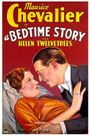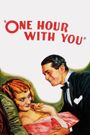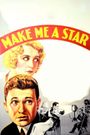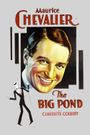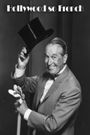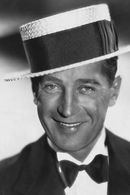
Maurice Chevalier's initial foray into the world of work was as an acrobat, a career that was unfortunately cut short due to a serious accident. He then redirected his talents towards singing and acting, and went on to make several short films in his native France. When World War I broke out, Chevalier enlisted in the French army, where he was wounded in battle, captured by the Germans, and subsequently imprisoned in a POW camp. It was during his captivity that he learned English from his fellow prisoners.
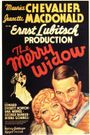
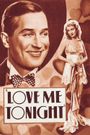
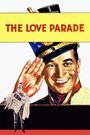
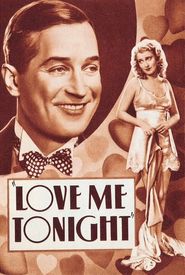
After the war, Chevalier returned to the film industry, and when the advent of "talkies" arrived, he traveled to the United States to break into the Hollywood scene. In 1929, he was paired with operatic singer and actress Jeanette MacDonald to star in the film "The Love Parade". Although Chevalier was attracted to MacDonald and made several advances towards her, she firmly rejected him, as she had her sights set on actor Gene Raymond, whom she would eventually marry. Chevalier, who was known to be a somewhat vain individual who considered himself quite a catch, was reportedly disheartened by the rejection and went on to deride MacDonald as a "prude". In turn, MacDonald referred to Chevalier as "the quickest derrière pincher in Hollywood". The two actors went on to make three more films together, with "Love Me Tonight" (1932) being the most successful of the bunch.
In the late 1930s, Chevalier returned to Europe, where he made several films in both France and England. However, World War II put a halt to his career, and he was subsequently accused of collaborating with the Nazi authorities occupying France. Although he was later vindicated, the war years had a lasting impact on his career.
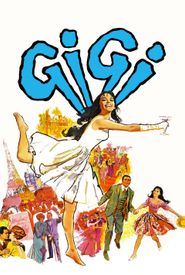
It wasn't until the 1950s that Chevalier returned to Hollywood, now older and gray-headed. He went on to make the film "Gigi" (1958),from which he took his signature songs, "Thank Heaven for Little Girls" and "I Remember it Well". He also received a special Oscar that year, a testament to his enduring talent and contributions to the world of cinema. In the 1960s, Chevalier made a few more films, and in 1970, he sang the title song for Walt Disney's "The Aristocats", a project that marked his final contribution to the film industry.