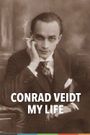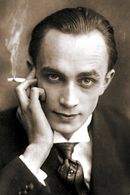
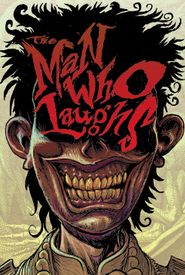
Conrad Veidt's early life began in Berlin, Germany, where he attended the Sophiengymnasium, a prestigious secondary school in the Schoeneberg district. Despite his academic struggles, graduating without a diploma in 1912, Veidt's interests lay elsewhere, and he developed a passion for animals, theater, cinema, fast cars, pastries, thunderstorms, gardening, swimming, and golfing.
On the other hand, Veidt had his share of dislikes, including heights, flying, the number 17, wearing ties, pudding, and interviews. This peculiar mix of likes and dislikes would later shape his acting career and personal life.
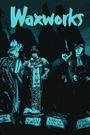
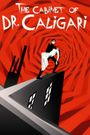
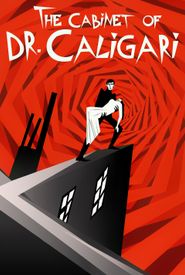
As a star of early German cinema, Veidt gained fame for his role as the murderous somnambulist Cesare in Robert Wiene's masterpiece, The Cabinet of Dr. Caligari (1920). His subsequent roles in German silent films, including Different from the Others (1919) and Waxworks (1924),solidified his position as a leading man.
Veidt's personal life was just as fascinating. He married three times, with his third wife, Ilona (nicknamed Lily),being Jewish. Although Veidt himself was not Jewish, he wrote "Jude" (Jew) on forms to obtain a job, a testament to his courage and solidarity with the Jewish community.
However, with the rise of Adolf Hitler to power in 1933, Veidt and Lily fled Germany, and he became a British citizen in 1939. This marked the beginning of a new chapter in his life, as he continued to work in the film industry, taking on roles in Universal Pictures' Dracula (1931) and F.P.1 Doesn't Answer (1932).
Veidt's singing career was also brief but notable. He sang a song called "Where the Lighthouse Shines Across the Bay" in his last German film, which, although initially considered a flop, became a hit almost 50 years later when DJ Terry Wogan played it on his Radio 2 breakfast show.
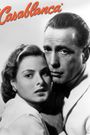
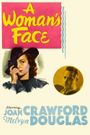
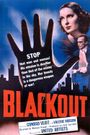
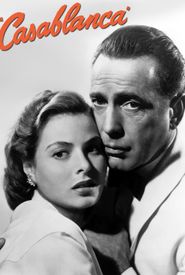
Throughout his career, Veidt appeared in a range of films, from Germany's first talking picture, Bride 68 (1929),to the classic Casablanca (1942),where he played the memorable role of Gestapo Maj. Strasser. He died while playing golf, and his death certificate incorrectly listed his name as "Hanz Walter Conrad Veidt." Due to his blacklisting in Nazi Germany, there was no official announcement of his death, and his ex-wife and daughter only learned of it through the radio.