Claude Binyon was a writer with a remarkable talent for wit and satire. He started his career as a reporter for the Chicago Examiner, but was quickly fired due to his inability to conform to the traditional mold of a straight newspaperman. However, his editor recognized his writing skills and recommended him to the show business magazine Variety.
Between 1925 and 1932, Binyon contributed articles and famous headlines to Variety, including the infamous "Sticks Nix Hick Pix," which was a form of slang that translated to "country folk don't like movies about country life." He was eventually dismissed from Variety when he began to moonlight as the author of humorous short stories for other publications.
The second part of Binyon's career was spent at Paramount, where he came under contract as a screenwriter from 1932 until 1946. He was in his element with idiosyncratic or screwball comedy, of particular note being the classic W.C. Fields opus "Mississippi" (1935),described by Andre Sennwald of the New York Times as "madly funny at sufficient length."
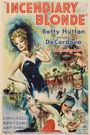
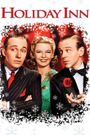
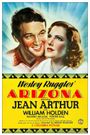
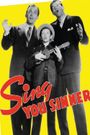
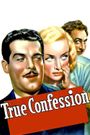
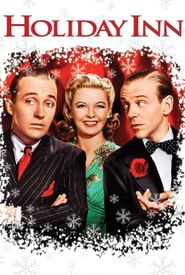
Binyon's best screenplay was arguably the madcap farce "True Confession" (1937),with a clever satirical courtroom scene and witty, rapid-fire dialogue, tailor-made for stars Carole Lombard, Fred MacMurray, and John Barrymore. By the late 1930s, Binyon was also more frequently tasked with non-comedic assignments, effectively handling A-grade musicals such as "Sing, You Sinners" (1938),"Holiday Inn" (1942),and "Incendiary Blonde" (1945),and, not so effectively, westerns; evidence: "Arizona" (1940).
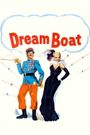
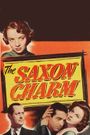
Binyon combined writing with direction for "The Saxon Charm" (1948),the ponderous story of an egocentric Broadway producer (played by Robert Montgomery) who inflicts misery on all around him. While not exactly a flop, the film failed to make much headway at the box office. By contrast, Binyon's best effort as writer/director was the satirical "Dreamboat" (1952),which cleverly poked fun at moviedom's chief rival, television, as expressed through the inimitably erudite and barbed delivery of its star, Clifton Webb.
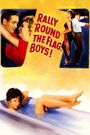
Binyon teamed up with another comedy veteran, Leo McCarey (who also produced and directed),for the screenplay of "Rally 'Round the Flag, Boys!" (1958),which was at once a satire on the American way of life and also sheer slapstick, reminiscent of the Keystone Kops and complete with a frenetic scene played out by Paul Newman and Joanne Woodward in a missile control room.
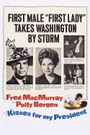
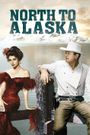
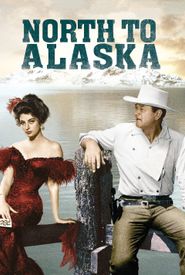
In the 1960s, Binyon's output diminished greatly, though he wrote, in collaboration with John Lee Mahin and Martin Rackin, the screenplay for the rollicking western-comedy "North to Alaska" (1960). After disastrous critical reviews for his work (with Robert G. Kane) on "Kisses for My President" (1964),Binyon called it a day and retired. He died in Glendale, California, of heart problems in 1978, at the age of 72.