
Sidney Lumet was a master filmmaker, renowned for his technical expertise and ability to elicit outstanding performances from his actors. He was particularly known for his nuanced exploration of complex social themes, often set against the backdrop of New York City. Throughout his illustrious career, Lumet directed over 40 films, ranging from powerful dramas to suspenseful thrillers.
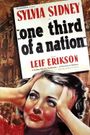
Born on June 25, 1924, in Philadelphia, Lumet was the son of an actor and a dancer. He began his career in the theater, making his stage debut at the age of four at the Yiddish Art Theater in New York. He went on to appear in numerous Broadway productions in the 1930s and also made his film debut in the 1939 movie "One Third of a Nation."
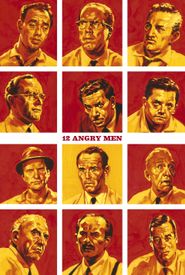
Lumet's early success in television led to his feature film directing debut with "12 Angry Men" in 1957. The critically acclaimed drama, which takes place almost entirely in a jury room, won the Golden Bear at the Berlin Film Festival and earned three Academy Award nominations.
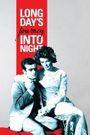
The 1960s were a particularly fruitful period for Lumet, with the release of several acclaimed films, including "Long Day's Journey Into Night," "Fail Safe," and "The Pawnbroker." These films showcased Lumet's ability to balance complex storytelling with powerful emotional resonance.
The 1970s saw Lumet continue to push the boundaries of his craft, directing a range of films, from the intense character study "The Hill" to the box-office hit "The Anderson Tapes." His work during this period earned him a reputation as a master of the thriller genre.
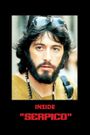
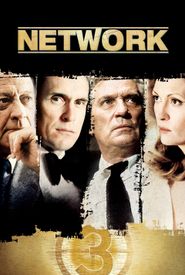
The 1980s saw Lumet explore a range of themes, from police corruption in "Serpico" to the complexities of family relationships in "Lovin' Molly." His film "Network" is widely regarded as a prophetic satire on media and society.
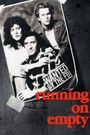
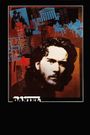
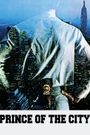
Lumet's later work included the critically acclaimed "Prince of the City," "Deathtrap," and "The Verdict," as well as the lesser-known but still impressive "Daniel" and "Running on Empty." His final film, "Before the Devil Knows You're Dead," was released in 2007.
Throughout his career, Lumet was recognized with numerous awards and nominations, including an honorary Academy Award in 2005. He passed away in 2011, leaving behind a legacy as one of the most respected and accomplished filmmakers of his generation.