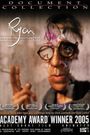
Born on January 13, 1928, in the vibrant city of Toronto, Ontario, Canada, Robert Verrall embarked on a illustrious career as a multi-talented animator, director, and film producer. Spanning an impressive four decades, from 1945 to 1987, Verrall dedicated his professional life to the National Film Board of Canada (NFB),leaving an indelible mark on the world of animation and filmmaking. Throughout his illustrious career, Verrall's films garnered a multitude of accolades, including a prestigious BAFTA Award, as well as prizes at the esteemed Cannes Film Festival and Venice Film Festival. Furthermore, his work earned an astonishing six Academy Award nominations, cementing his status as a master of his craft.
Please provide the text you'd like me to rephrase, and I'll do my best to expand it while keeping the new lines intact.
Norman McLaren, the pioneering director of the National Film Board of Canada's (NFB) animation unit, was fortunate to have a talented individual like Verrall join his team at an early stage. Verrall's impressive career in animation began with his work on several notable NFB short films, including "The Romance of Transportation in Canada", a captivating exploration of the country's transportation history. His skills as an animator were further showcased in "Cosmic Zoom", "Hot Stuff", and the Academy Award-nominated "The Drag" and "What on Earth!", demonstrating his versatility and creative range.
As his career progressed, Verrall took on a new role as executive producer, overseeing the production of several NFB animated shorts, including the Oscar-nominated "The Family That Dwelt Apart" and "Evolution". These films not only solidified his reputation as a talented producer but also earned recognition from the Academy, further cementing his status as a respected figure in the animation industry.
Throughout his tenure at the NFB, Verrall worked closely with McLaren, learning from his mentor and contributing to the development of the animation unit. His dedication to his craft and his passion for storytelling have left a lasting impact on the world of animation, and his body of work continues to inspire and entertain audiences to this day.
Please provide the original text, and I'll rephrase it as long as possible, keeping the new lines for a person's biography. I'll then return the rephrased response without showing the original text.
Verrall embarked on a distinguished career in 1967, when he was appointed as the director of English-language animation for the National Film Board of Canada (NFB). This pivotal role marked the beginning of a long and illustrious tenure, during which he would go on to make a significant impact on the organization.
In 1972, Verrall's responsibilities expanded further, as he took on the position of director of NFB's English-language production overall. This new role brought with it even greater opportunities for creative expression and leadership, as he oversaw a wide range of productions across various genres and formats.
Throughout the 1980s, Verrall continued to play a key role in the NFB, serving as executive producer on a number of high-profile co-productions. One notable example is the film adaptation of The Wars, a critically acclaimed project that showcased his ability to bring complex and ambitious stories to life on the big screen.
In addition to his work on feature films, Verrall also made a significant contribution to the world of documentary filmmaking. His production credits include the powerful and poignant Richard Cardinal: Cry from a Diary of a Métis Child, a 1986 documentary directed by the renowned Alanis Obomsawin.
Verrall's professional accomplishments are all the more impressive when considered in the context of his personal life. His son, David Verrall, would go on to follow in his footsteps, heading the NFB's English-language animation unit and continuing the family tradition of excellence in filmmaking.