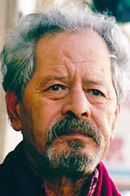
Mohamed Choukri, a renowned Moroccan author and novelist, left an indelible mark on the literary world with his profoundly moving and internationally acclaimed autobiography, For Bread Alone (al-Khubz al-Hafi).
Please go ahead and provide the text you'd like me to rephrase, and I'll do my best to expand on it while keeping the new lines intact.
Noted for his extraordinary resilience and determination, the remarkable individual in question, born in the humble village of Ayt Chiker, nestled within the picturesque Rif mountains of Morocco's Nador province, was raised in a family that struggled to make ends meet.
As a young boy, he was forced to flee his tyrannical father's household, leaving behind the only home he had ever known, and ventured out into the unforgiving world as a homeless child. The harsh realities of poverty, prostitution, violence, and drug addiction that plagued the poor neighborhoods of Tangier would become his new reality.
Despite the overwhelming adversity, he refused to be defeated, and at the tender age of twenty, he made the courageous decision to embark on a journey of self-education, learning to read and write. This newfound literacy would ultimately lead him to a most unexpected and remarkable transformation - that of a schoolteacher.
Please provide the original text you'd like me to rephrase, and I'll do my best to expand it while maintaining the original meaning. Additionally, if you'd like me to write a biography about a specific person, please provide their name and any relevant details you'd like me to include.
In the vibrant and culturally rich city of Tangier, a hub of cosmopolitanism in the 1960s, a chance encounter took place between the esteemed literary figures of the time, including Paul Bowles, the renowned American author, Jean Genet, the celebrated French writer, and Tennessee Williams, the acclaimed American playwright.
This serendipitous meeting marked the beginning of a remarkable journey for Mohamed Choukri, whose literary talents were soon to be showcased to the world. His inaugural work, a captivating short story titled "Al-Unf ala al-shati" or "Violence on the Beach", was published in 1966, setting the stage for a long and illustrious career.
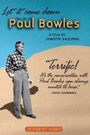
However, it was not until the English translation of his novel Al-khoubz Al-Hafi, or "For Bread Alone", was released in 1973 by the esteemed Paul Bowles that international recognition truly began to unfold. This groundbreaking work was subsequently translated into French by the celebrated Moroccan author Tahar Ben Jelloun in 1980, and later published in Arabic in 1982.
Unfortunately, the book was subject to censorship in Morocco from 1983 to 2000, a testament to the enduring power of Choukri's words. Undeterred, the novel continued to gain traction, eventually being translated into a staggering 30 languages, cementing its status as a timeless classic.
Please provide the original text you'd like me to rephrase, and I'll do my best to expand it while keeping the new lines intact. Additionally, please specify who's biography you'd like me to rephrase.
Mohamed Choukri's life was tragically cut short when he succumbed to the devastating effects of cancer in the year 2003.
As his mortal remains were laid to rest in the Marshan cemetery, located in the vibrant city of Tangier, a somber yet dignified atmosphere enveloped the mourners.
Among the esteemed guests who paid their respects to the deceased author were the Minister of Culture, numerous government officials, prominent personalities, and even the spokesperson for the King of Morocco.
Before his untimely passing, Mohamed Choukri had taken the initiative to establish a foundation dedicated to safeguarding his intellectual property, including his manuscripts and personal writings.
This visionary move ensured that his literary legacy would be preserved and protected for generations to come.