Mohammed Alatar is a renowned filmmaker, celebrated for his poignant and emotionally charged documentary films that meticulously explore the complexities of the enduring and intensely debated Israeli-Palestinian conflict.
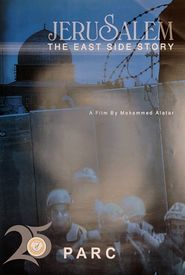
Notably, this distinguished individual has garnered widespread recognition for his noteworthy contributions to the documentary film "The East Side Story", a cinematic masterpiece that has been released to great acclaim in the year 2007.
This powerful and thought-provoking documentary delves into the multifaceted experiences of Palestinian life in the city of Jerusalem, shedding light on the struggles and triumphs that have defined this community over time.
Through his work on this documentary, this individual has brought attention to the often-overlooked stories of the Palestinian people, sharing their experiences and perspectives with a global audience.
By doing so, he has played a significant role in promoting greater understanding, empathy, and tolerance between different cultures and communities, ultimately working towards a more harmonious and peaceful world.
Alatar's publication, "Broken - A Palestinian Journey Through International Law", released in 2018, has garnered significant attention for its meticulous and comprehensive examination of the legal implications of the Israeli occupation, which has been the subject of widespread debate and controversy in recent years.
Noted movie director's 2006 documentary film, "The Iron Wall", has received extensive praise for its masterful and moving portrayal of the intricate and deeply complex Israeli-Palestinian conflict, skillfully illuminating the profound and far-reaching consequences it has on the daily lives of ordinary people, crafting a narrative that is both intellectually stimulating and emotionally impactful.
Mohammed Alatar's extraordinary professional trajectory has been characterized by an unwavering commitment to utilizing his influential platform to shed light on the persistent hardships faced by the Palestinian population, as well as to promote a more nuanced understanding of the intricate and contentious Israeli-Palestinian conflict, thereby functioning as a potent force for fostering empathy, comprehension, and ultimately, constructive dialogue.