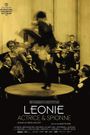
Italian actress Lyda Borelli was born on the twenty-second day of March in the year eighteen hundred and eighty-four, and her illustrious career in the world of theatre began in the year nineteen hundred and two.
Please provide the original text you'd like me to rephrase, and I'll create a rewritten version while keeping the new lines intact.
Antonio Gramsci, a renowned theatre reviewer, penned a scathing critique of Borelli's on-screen presence, labelling her portrayal of vamps as a manifestation of heightened sensuality, akin to a primordial and prehistoric force that had captivated audiences. This critique came to light in 1917, amidst a prolific period in Borelli's career, during which she had already made 14 films and appeared in 2 documentaries between 1913 and 1918.
Despite the criticism, Borelli's acting style remained rooted in her use of excessive gestures, painful expressions, and languid gazes, which had become a hallmark of her performances. Her characters often found themselves succumbing to their own demise, via poison, a trope that had become a staple of her vamp roles.
Gramsci's criticism notwithstanding, Borelli's ability to evoke a strong emotional response from her audience was undeniable, and her unique on-screen presence continued to cast a spell on viewers, cementing her status as a pioneering figure in the early days of cinema.
As her filmography grew, so did her reputation as a master of the screen, with her performances continuing to inspire and intrigue audiences to this day. Despite the passing of time, Borelli's legacy remains a testament to her enduring talent and influence on the world of cinema.