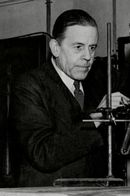
Percy Smith, a renowned trailblazer in the realm of scientific filmmaking, made his mark on the world in the year 1880, when he took his first breath in the bustling metropolis of London. Prior to embarking on a career in the film industry, Percy spent his days toiling as a clerk at the esteemed Board of Education, where he cultivated a profound appreciation for the wonders of the natural world. This fascination with the plant and animal kingdoms was to become a lifelong passion, one that would ultimately guide his creative endeavors.
As Percy's photography skills continued to evolve, he began to capture the intricate details of the natural world through his lens. One particular image, a close-up of a bluebottle's tongue, was to have a profound impact on his career. This captivating photograph caught the eye of Charles Urban, a pioneering figure in the world of film, who was so impressed with Percy's work that he promptly began to showcase it in London's theaters. The subsequent success of these early sequences, including the ingenious "The Balancing Bluebottle," in which Percy recorded the remarkable ability of flies to juggle, ultimately led to his being invited to join Urban as a full-time filmmaker in 1910.
Before the outbreak of the First World War, Percy went on to complete an impressive array of nature films for Urban's Sciences series, with over fifty productions to his name. Among his most notable achievements during this period was the creation of the iconic 1910 piece,
Please provide the text you'd like me to rephrase, and I'll do my best to rephrase it as long as possible while keeping the new lines intact.
Percy, a visionary and innovative filmmaker, embarked on a groundbreaking project that would ultimately showcase his mastery of stop-motion photography. His endeavour, titled "The Birth of a Flower", captivated audiences worldwide, demonstrating his unwavering dedication to capturing the intricate details of slow-growing plant life.
Undeterred by the challenges posed by his subjects' glacial pace, Percy employed an arsenal of creative solutions to overcome the obstacles. He modified his equipment, incorporating unconventional materials such as gramophone needles, candle wicks, and assorted objects, thereby enabling him to continue filming the plant's movements even as he rested.
In 1911, within the confines of his study, Percy's tireless efforts culminated in a cinematic masterpiece that would leave a lasting impact on the world of filmmaking.
Please provide the original text you'd like me to rephrase, and I'll do my best to expand it as much as possible while keeping the new text concise and coherent. Additionally, if you'd like me to write a biography of a person, please provide the person's name and any relevant details you'd like me to include.
The remarkable feats of strength and agility displayed by insects in a series of captivating performances, where they effortlessly lift diminutive dumbbells, deftly twirl slender matchsticks, and astonishingly juggle objects that far exceed their own diminutive size, sparked a heated press debate. As the public's curiosity was piqued, rumors of trickery and cruelty began to circulate, necessitating the innovative filmmaker to reveal the secrets behind his ingenious filming techniques in order to dispel these unfounded allegations.
Percy, a multifaceted individual with a passion for storytelling, went on to serve as a naval photographer during the tumultuous years of war. Upon his return, he joined the esteemed British Instructional Films (BIF),where he contributed to the company's impressive repertoire of widely acclaimed productions.
Please provide the original text, and I'll rephrase it as long as possible while keeping the new lines intact, and then share the rephrased response.
The renowned filmmaker, whose creative endeavors spanned numerous cinematic projects, was particularly notable for his contributions to the "Secrets of Nature" series. This extensive filmography featured a diverse range of productions, including the captivating "An Aquarium in a Wineglass" (1926),dramatic the "The Home Wrecker" (1929),and the enchanting "Magic Myxies" (1931).