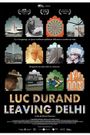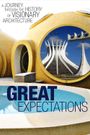
Charles-Édouard Jeanneret-Gris, a multifaceted genius, was a Swiss-born French architect, urban planner, decorator, painter, sculptor, and author, whose extraordinary talents knew no bounds.
Born on October 6, 1887, in the picturesque town of La Chaux-de-Fonds, Switzerland, a place that would later inspire his innovative architectural designs, Jeanneret-Gris was destined for greatness.
Throughout his remarkable life, he would go on to leave an indelible mark on the world of architecture, urban planning, and the arts, his legacy continuing to inspire and influence generations to come.
Tragically, his remarkable journey came to an end on August 27, 1965, in Roquebrune-Cap-Martin, France, a place that had become his adopted home.
Despite his passing, the impact of Charles-Édouard Jeanneret-Gris, better known as Le Corbusier, continues to be felt, his innovative designs and visionary ideas remaining a testament to his enduring legacy.
Le Corbusier, a pioneering figure in the evolution of modern architectural design, made a significant move to the City of Light, Paris, in 1917. This pivotal moment marked the beginning of his involvement in the creation of Esprit Nouveau, a groundbreaking art and architecture magazine that would go on to play a crucial role in shaping the aesthetic and philosophical landscape of the time. Within the pages of this esteemed publication, Le Corbusier, who had adopted the pseudonym that would become synonymous with his name, began to share his innovative ideas and vision for a new era in architecture.
Le Corbusier, a renowned figure in the world of architecture, achieved widespread recognition for his groundbreaking writings, specifically his seminal works "Vers Une Architecture" (1923) and "Urbanisme" (1924). These influential publications meticulously outlined his innovative techniques and visionary approach to his craft, shedding light on the intricacies of his artistic philosophy.
Throughout his illustrious career, Le Corbusier masterfully blended aesthetics with functionality, crafting projects that harmoniously balanced form and function. His dedication to bringing his theories to life led to the realization of numerous iconic projects, each showcasing his unwavering commitment to pushing the boundaries of architectural innovation.
---
**Le Corbusier's Biography**
Charles-Édouard Jeanneret, better known by his pseudonym Le Corbusier, was born on October 6, 1887, in La Chaux-de-Fonds, Switzerland. As a young man, he was fascinated by the world of art and architecture, and his early work was heavily influenced by the avant-garde movements of the time.
Le Corbusier's passion for architecture led him to pursue a career in the field, and he went on to study at the École d'Art Decoratif in Geneva. After completing his studies, he worked as an architect in Paris, where he was exposed to the works of the city's most prominent architects and artists.
In the 1920s, Le Corbusier began to gain recognition for his innovative designs, which combined functionality with a sense of drama and elegance. His buildings, such as the Villa Savoye and the Chapel of Notre Dame du Haut, quickly became iconic examples of modernist architecture.
Throughout his life, Le Corbusier remained committed to his artistic vision, experimenting with new materials and techniques to push the boundaries of what was possible in architecture. He also remained deeply interested in urban planning and design, and his work on the city of Chandigarh, India, is a testament to his dedication to creating sustainable and livable communities.
Le Corbusier passed away on August 27, 1965, leaving behind a legacy that continues to inspire architects and artists around the world. His contributions to the world of architecture are immeasurable, and his innovative designs continue to influence the built environment to this day.
Noted Swiss-French architect Le Corbusier was an influential figure in the world of modern architecture, with a profound impact on the development of the field. Beginning in 1928, he actively participated in the International Congresses of Modern Architecture, a platform that brought together esteemed architects and designers to share their innovative ideas and shape the future of the profession.
Throughout his illustrious career, Le Corbusier was committed to pushing the boundaries of architectural design, and his most notable achievement was the development of the Charter of Athens, a seminal document that outlined his vision for the future of architecture. This pioneering work not only showcased his mastery of design but also provided a roadmap for architects to follow in their own creative endeavors.
Le Corbusier's contributions to the field of architecture extended beyond his work on individual buildings. He was a passionate advocate for sustainable urban planning and design, and his innovative approach to town planning has had a lasting impact on the way cities are designed and developed. One of his most enduring legacies is the concept of the "Habitation Unit," a revolutionary idea that redefined the way people live and interact within their living spaces.
Through his tireless efforts to reimagine the built environment, Le Corbusier left an indelible mark on the world of architecture, inspiring generations of architects and designers to follow in his footsteps.
Noted architect dedicated significant time and effort to conceptualizing the "Habitation Unit" during the 1920s, a pioneering theoretical exploration of collective housing.
This innovative idea, which aimed to redefine the notion of residential living, was eventually brought to life in a limited yet notable number of five actual structures, specifically located in the cities of Marseille, Briey-en-Forêt, Rezé, Firminy, and Berlin, following the conclusion of World War II.
Le Corbusier's pioneering vision for the "Habitation Unit" conceptualized a futuristic structure that would seamlessly integrate all the essential amenities and services necessary for a self-sufficient community, thereby revolutionizing the concept of urban living. This groundbreaking design comprised a comprehensive array of facilities, including a daycare center, laundry facilities, an inviting swimming pool, a state-of-the-art school, a variety of shops, a well-stocked library, and numerous meeting spaces.
Le Corbusier, a renowned architect, embarked on numerous visits to Algeria during the 1930s, where he captivated young architects with his impassioned lectures.
His vision for the city of Algiers took shape in the form of "Project Obus", a revolutionary concept that envisioned a sprawling structure that stretched an astonishing 10 kilometers in length, defying conventional design norms.
The project's most striking feature was its innovative roof, designed to double as a highway, reimagining the urban landscape and redefining the relationship between architecture and transportation.
This bold and daring concept not only showcased Le Corbusier's creative genius but also left a lasting impact on the architectural community, inspiring a new generation of designers to push the boundaries of innovation and creativity.
Le Corbusier's creative endeavors were significantly impacted by the unique architectural styles of the fortified Ibadi villages scattered throughout the M'Zab valley, a remote region in the Algerian Sahara, characterized by its arid desert landscape.
This profound influence can be notably observed in his work on the chapel of Ronchamp, a structure completed in 1955, which was heavily inspired by the majestic mosque of Sidi Brahim located in El Atteuf, a nearby town.
Following the cessation of hostilities, the renowned architect Le Corbusier embarked upon a novel endeavor, conceptualizing and subsequently bringing to fruition his innovative "housing units" concept. This pioneering idea culminated in the realization of the Cité Radieuse, a groundbreaking residential complex situated in the picturesque city of Marseille.
Throughout this period, Le Corbusier collaborated with the esteemed designers Charlotte Perriand and Pierre Jeanneret, fostering a creative synergy that would yield numerous notable projects. Simultaneously, he continued to disseminate his profound thoughts on modern architecture, sharing his vision with the world through various publications.
Noted Swiss-French architect Le Corbusier embarked upon a groundbreaking journey to the Indian subcontinent in the year 1951, marking the beginning of a significant chapter in his illustrious career. His ultimate destination was the city of Chandigarh, a burgeoning metropolis that was in dire need of urban planning and infrastructure development.
Within this fascinating context, Le Corbusier set out to create a plethora of esteemed establishments that would not only serve as beacons of modernity but also pay homage to the rich cultural heritage of India. The crowning jewel of his Chandigarh project was undoubtedly the Capitol, a majestic structure that would serve as the seat of government for the newly formed state of Punjab.
Furthermore, Le Corbusier's creative genius was also instrumental in the design and construction of the Palace of Justice, a stately edifice that would provide a fitting backdrop for the dispensation of justice in the city. The Secretariat, another notable project, was designed to serve as the administrative hub of the government, while the Palace of Assembly, a grandiose structure, was envisioned as the heart of the city's legislative process.
Through these iconic creations, Le Corbusier left an indelible mark on the city of Chandigarh, transforming it into a thriving metropolis that would serve as a testament to his innovative architectural vision for generations to come.
The far-reaching and profound influence of Le Corbusier's work and thoughts on the architectural landscape of post-war generations cannot be overstated, as his ideas and designs continue to shape the very fabric of contemporary architecture.
Le Corbusier's architectural endeavors have been recognized and celebrated by the international community, earning him the distinction of having his work classified as a UNESCO World Heritage Site in 2016.
This prestigious designation is a testament to the enduring significance and timeless appeal of Le Corbusier's architectural creations, which continue to inspire and inform the work of architects and designers around the world.
In addition to this honor, a European cultural itinerary entitled "Le Corbusier Destinations: Architectural Walks" was launched in 2019, providing visitors with a unique opportunity to explore and experience the rich cultural and architectural heritage of Le Corbusier's work firsthand.
This itinerary offers a fascinating glimpse into the life and work of Le Corbusier, allowing visitors to walk in the footsteps of this visionary architect and gain a deeper understanding of his innovative and influential designs.