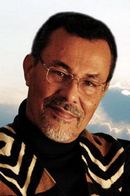
Bernard Nicolas has had a prolific career as a filmmaker, with a diverse portfolio of written and directed projects that span the genres of documentary and short-form video productions. His personal narrative is marked by a significant chapter in his life, which began in Port-au-Prince, Haiti, where he was born.
However, due to the tumultuous political climate in Haiti at the time, Nicolas and his family were forced to flee their homeland in search of a safer and more stable environment. They ultimately settled in San Pedro, California, a city that would become his new home.
As a student, Nicolas was deeply affected by the political upheaval that surrounded him, which ultimately inspired him to take a more proactive role in advocating for social change. He co-coordinated the National Association of Black Students, a position that allowed him to utilize his voice and influence to promote equality and justice.
Nicolas's academic pursuits were also marked by significant achievement, as he went on to earn a Bachelor of Arts degree in Economics from the University of California, Los Angeles (UCLA). He further honed his skills by completing a Master of Fine Arts degree in Film and Television Production at the same esteemed institution, setting the stage for a successful career in the film industry.
Please provide the text you'd like me to rephrase, and I'll do my best to rephrase it as long as possible while keeping the new lines intact.
Nicolas' impressive body of work is characterized by a focus on socially conscious documentaries, tackling complex and pressing issues that impact society at large.
One notable example of his documentary filmmaking skills is "Boat People", a film that sheds light on the experiences of those affected by this critical humanitarian crisis.
Another significant documentary in his repertoire is "Breast Cancer: A Village Dialogue", a film that received recognition as a finalist for the prestigious Beacon Award from the Cable TV Public Affairs Association, a testament to its impact and relevance.
In addition to his documentary work, Nicolas has also demonstrated his versatility as a writer and director through his short film "Daydream Therapy", released in 1977. This short film earned him the esteemed Leigh Whipper Gold Award from the Philadelphia International Film Festival, a remarkable achievement that highlights his talent and dedication to his craft.
Please provide the text you'd like me to rephrase, and I'll do my best to create a longer version while keeping the new lines intact.
Nicolas's professional journey began in the early 1980s when he relocated to Zimbabwe, where he was employed in the production services department, laying the groundwork for his future endeavors.
It was in 1992 that he took the bold step of founding Inter-Image Video, a pioneering enterprise that made history by being the first to commercially release African Cinema on home video in the United States, thereby breaking new ground in the industry.
In addition to his achievements in the film world, Nicolas has also taken on various roles in numerous independent films, further showcasing his versatility and dedication to his craft.
Beyond his significant contributions to the world of cinema, Nicolas continues to nurture his passions in writing, photography, and psychotherapy, demonstrating his multifaceted personality and commitment to exploring various creative outlets.
Throughout his career, Nicolas has consistently demonstrated a willingness to push boundaries, innovate, and evolve, making him a true trailblazer in his field.